Jelly Dream Font: Leveraging Tactile Typography in the Age of Digital Sensory Design
In the evolving landscape of visual communication, typography has transcended its traditional role as a mere vessel for information. For modern creators, marketers, and brand strategists, type is now a primary interface for emotional connection and sensory experience. Within this shift toward expressive design, Jelly Dream has emerged as a significant typographic asset. This thick, juicy display typeface offers more than just novelty; it represents a broader industry movement toward tactile digital aesthetics that mimic physical sensations. By indulging in the squishy, sugary delight of Jelly Dream font, designers are finding new ways to bridge the gap between screen-based media and tangible consumer experiences.
The Rise of Neo-Tactile Typography
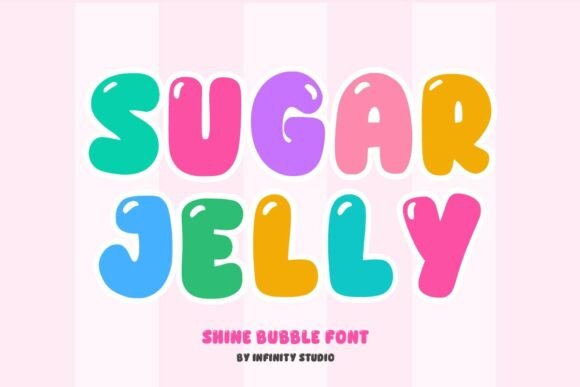
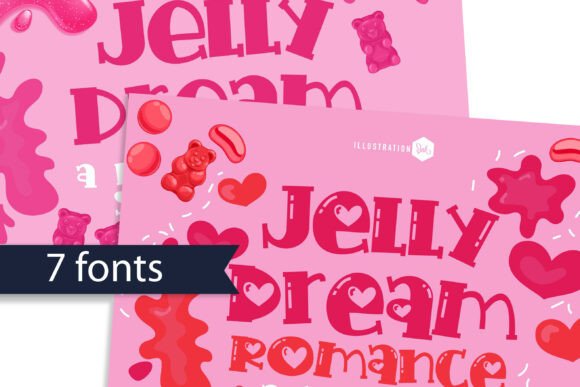
To understand the relevance of Jelly Dream, one must first recognize the current fatigue with minimalist, flat design systems that have dominated the tech and corporate sectors for over a decade. While clean sans-serifs remain essential for utility and accessibility, there is a growing market demand for personality, warmth, and playfulness. Consumers, particularly Gen Z and Alpha, are responding to designs that feel handcrafted and dimensional. Jelly Dream fits precisely into this niche by offering a bold typeface featuring glossy highlights and heart-shaped counters that mimic the look of gelatin or gummy treats.
This aesthetic is not accidental. It aligns with the "Neo-Tactile" trend in graphic design, where digital assets are rendered with hyper-realistic textures, lighting, and volume. In an era where commerce and social interaction are increasingly virtual, audiences crave visual cues that suggest touch. When a brand utilizes Jelly Dream, they are signaling a departure from sterile corporate messaging in favor of a 3D, tactile feel that invites interaction. This is particularly crucial for industries like confectionery, toys, and lifestyle branding, where the product experience is inherently sensory.
Anatomy of Sweetness: Design Features as Business Tools
From a professional design perspective, the construction of Jelly Dream serves specific functional purposes beyond its decorative appeal. The font’s heavy weight and inflated forms create maximum volume, ensuring high visibility in crowded digital feeds and retail environments. However, it is the nuanced detailing that makes it a viable tool for serious creative work rather than just a gimmick.
- Glossy Highlights: The integrated shine effects reduce the need for external post-processing or complex 3D rendering software. This streamlines workflows for freelancers and agencies working under tight deadlines, allowing for rapid iteration of candy-inspired visuals without sacrificing quality.
- Heart-Shaped Counters: The negative space within letters like 'o', 'a', and 'e' features subtle heart motifs. This embeds semantic meaning directly into the letterforms, reinforcing themes of love and affection without requiring additional iconography.
- Juicy Proportions: The rounded terminals and swollen strokes evoke freshness and moisture. In food marketing, these visual cues trigger subconscious associations with flavor and texture, making the text itself appear appetizing.
For entrepreneurs and marketers, these features translate to efficiency and impact. The font acts as a self-contained visual system, reducing the cognitive load on the viewer while simultaneously increasing engagement through playful familiarity.
Strategic Applications Across Industries
The versatility of Jelly Dream extends across multiple verticals, each leveraging its unique characteristics to solve specific branding challenges. Understanding these applications helps professionals determine when and how to deploy this typeface effectively.
Confectionery and Food Branding
This is the most natural habitat for Jelly Dream. Candy shop branding relies heavily on color and shape to communicate taste before a product is even sampled. A logo or package headline set in Jelly Dream looks good enough to eat, creating an immediate synesthetic response. The font’s retro-candy aesthetic pops off the page, distinguishing artisanal brands from mass-market competitors who often rely on generic, safe typography. For small business owners in this space, using such a distinctive typeface can elevate perceived value and shelf presence.
Toy Packaging and Youth Marketing
The toy industry operates on excitement and tangibility. Packaging must convey fun instantly. Jelly Dream’s bubbly form factor mirrors the soft, safe materials often used in children’s products. Furthermore, as toy marketing shifts toward digital unboxing videos and social content, the font’s inherent 3D qualities ensure legibility and impact even when viewed on small mobile screens. It bridges the physical packaging and the digital advertisement seamlessly.
Seasonal Merchandise and Event Design
The “Romance” variant of the Jelly Dream font leans heavily into the heart motifs, making it a powerhouse for seasonal campaigns. Valentine’s Day, anniversaries, and wedding merchandise require typography that balances sentimentality with modern style. Traditional script fonts can sometimes feel dated or overly formal. Jelly Dream offers a contemporary alternative that feels youthful and energetic. It is perfect for playful Valentine’s treats or “sweetheart” themed merchandise that targets a demographic seeking nostalgia mixed with current design trends.
Workflow Integration and Technical Considerations
Adopting a display font like Jelly Dream requires strategic restraint and technical awareness. Professionals must integrate it into their workflows thoughtfully to maintain readability and brand coherence.
- Hierarchy Management: Because Jelly Dream has maximum volume, it should be reserved for headlines, logos, and short call-to-action buttons. Pairing it with a clean, neutral sans-serif for body copy ensures that the design remains accessible and does not become visually exhausting.
- Color Theory Alignment: The glossy highlights in the font interact differently with various background colors. Designers should test contrast ratios rigorously. While the font suggests bright, saturated palettes, it can also create striking juxtapositions against dark, matte backgrounds for a premium candy aesthetic.
- Cross-Platform Testing: The intricate details of the heart counters and gloss effects must be evaluated at various sizes. What looks stunning on a desktop monitor may lose definition on a low-resolution mobile device. Always preview the font in its final context to ensure the tactile illusion holds up.
- Licensing Compliance: As with any commercial typeface, ensuring proper licensing for web, print, and merchandise is critical. Entrepreneurs should verify that their usage rights cover all intended touchpoints, especially if scaling from local packaging to global digital advertising.
The Psychology of Playful Type in Professional Contexts
Why are serious businesses paying attention to a font that mimics gummy bears? The answer lies in changing consumer psychology. We are currently navigating an attention economy where authenticity and joy are premium currencies. Post-pandemic consumer behavior has shown a marked preference for brands that offer comfort, escapism, and optimism. Sterile perfection is out; imperfect, tactile warmth is in.
Jelly Dream capitalizes on this by utilizing the psychology of neoteny—childlike features that elicit caretaking and positive affect. When a financial app uses a standard geometric sans-serif, it communicates security. But when a wellness snack brand uses Jelly Dream, it communicates permission to indulge. This distinction is vital. The font is not merely a stylistic choice; it is a tonal signal that defines the relationship between brand and consumer.
Furthermore, the retro-candy aesthetic taps into powerful nostalgia marketing. For Millennials and Gen X, the visual language of 90s and early 2000s candy packaging evokes simpler times. For younger generations, it reads as vintage-cool Y2K revivalism. Jelly Dream sits at this intersection, making it relevant across demographic lines. It allows brands to participate in cultural conversations about nostalgia and comfort without appearing derivative.
Future-Proofing Visual Identity
As we look forward, the integration of sensory design elements will likely deepen. Augmented reality (AR) and spatial computing are bringing 3D typography into physical spaces. Fonts like Jelly Dream, which already possess built-in dimensionality and lighting cues, are uniquely positioned for these emerging technologies. A flat vector font requires significant extrusion and texturing to look good in AR; Jelly Dream arrives with that DNA intact.
For creators and marketers, investing in expressive typefaces is an investment in adaptability. The market is moving away from one-size-fits-all corporate identities toward modular, context-aware visual systems. Jelly Dream serves as a specialized tool within this system—a way to dial up the sensory volume when the moment calls for it. Whether you are designing packaging for a new sour gummy line, creating assets for a Valentine’s pop-up shop, or refreshing a toy brand’s digital presence, this typeface offers a direct line to the viewer’s senses.
Ultimately, the success of Jelly Dream underscores a fundamental truth in modern design: people do not just read with their eyes; they read with their memories, their emotions, and their desire for connection. By choosing a typeface that embodies squishy, sugary delight, professionals are acknowledging that in a digital world, the most impactful designs are those that make us feel something real. Use the Jelly Dream font when you want your text to have maximum volume and a fun, retro-candy aesthetic that pops off the page, but more importantly, use it when you want your audience to taste the message before they even finish reading it.